Wandsworth Council rules for Southfields gardeners and garden waste
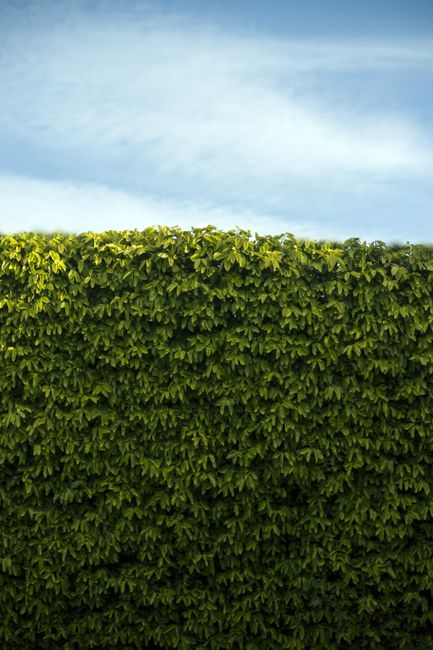
If you garden in Southfields, or you hire someone to keep your borders, hedge line, and lawn under control, garden waste stops being a small detail very quickly. One sack of prunings is easy. Three bin bags, a pile of ivy, a few heavy branches, and a soggy heap of grass cuttings after a wet Sunday? That is where the Wandsworth Council rules for Southfields gardeners and garden waste start to matter in a very practical way.
This guide explains how garden waste is usually handled, what gardeners and householders need to think about, and where the common mistakes creep in. It is written for real-life gardens, not perfect ones. The windy ones. The tiny courtyard ones. The "we'll deal with it later" ones that suddenly need a proper plan.
You will also find a simple checklist, a comparison table, and a realistic step-by-step process so you can stay tidy, compliant, and sane. Because let's face it, the garden looks lovely for about ten minutes after a cutback if the waste is dumped badly.
Why Wandsworth Council rules for Southfields gardeners and garden waste Matters
Garden waste is not just a tidy-up issue. It affects how safely work is carried out, how clean pavements and front gardens stay, and whether the waste ends up being handled properly. In Southfields, that means thinking about local collection rules, what can and cannot be left out, and how a gardener should manage waste after maintenance or clearance.
For homeowners, the main benefit is simple: less hassle and less risk of problems with missed collections, bad smells, or bags being left where they should not be. For gardeners, it is about professionalism. A client may love the fresh-cut hedge and neat lawn, but if the cuttings are left in a corner to rot for a fortnight, the job feels unfinished. Nobody wants that.
There is also a wider point. Garden waste can contain bulky material, thorny branches, mud, invasive growth, or mixed rubbish if the work is not sorted properly. That means the way it is handled matters for safety, recycling, and the overall condition of the property. If your work includes broader outdoor improvements, such as landscaping or regular garden maintenance, waste planning should be part of the job from the start, not something added at the end as an afterthought.
Practical takeaway: the cleanest garden jobs are usually the ones where waste handling was planned before the first cut was made.
How Wandsworth Council rules for Southfields gardeners and garden waste Works
The basic idea is straightforward: garden waste should be separated, stored sensibly, and disposed of in the approved local way. In practice, that means gardeners in Southfields should not assume that all green waste can simply be bundled with general rubbish. Wet grass, branches, soil, roots, and mixed garden debris all behave differently, and councils often expect them to be dealt with differently too.
A typical garden job might create several waste streams. Grass cuttings are light but bulky. Hedge trimmings can be stringy and awkward. Branches may need cutting down. Soil and turf are heavy. Old plant pots, broken canes, nails from old timber, and bits of household waste found in beds all need a closer look. The more carefully you sort, the easier the disposal stage becomes. Simple enough in theory, fiddly in real life.
If you are booking a service such as hedge trimming, lawn mowing, or even a full garden clearance, ask in advance how the waste will be removed. Some jobs can be managed with one collection plan. Others need a separate sorting stage for bulky waste, especially if there is timber, soil, or heavily overgrown material involved.
It also helps to think about access. Southfields gardens are often behind terraced homes, down side returns, or through narrow paths. That means bags need to be moved carefully, and waste must not block pavements, shared entrances, or neighbour access. A neat job is tidy from the street as well as the back garden. That part gets overlooked surprisingly often.
Key Benefits and Practical Advantages
Following the right approach to garden waste brings a few obvious wins, and a few less obvious ones too.
- Cleaner sites: gardens look finished rather than half-done.
- Lower complaint risk: neighbours are less likely to object to smells, mess, or blocked access.
- Safer working: fewer trip hazards, fewer hidden sharp objects, and less strain from poor handling.
- Better recycling outcomes: green waste is easier to recover when it is not mixed with general rubbish.
- More efficient jobs: sorted waste is quicker to load, move, and dispose of properly.
There is another benefit people sometimes miss: good waste management protects the quality of the rest of the work. If a gardener is doing seasonal trimming, planting, or a redesign, leaving piles of decomposing cuttings around can affect soil, airflow, and the look of newly finished spaces. It is a small thing until it is not.
If sustainability matters to you, you may also want to look at the company's approach to recycling and sustainability. That is especially useful if you want a more responsible way of handling recurring garden debris rather than a one-off clear-out.
Who This Is For and When It Makes Sense
This topic is relevant to more people than you might expect. It is not only for professional gardeners. It matters if you are a landlord, a homeowner, a tenant with garden responsibility, a property manager, or someone preparing a property for sale or letting.
It makes particular sense in these situations:
- after a long period of neglect, when waste volume is higher than expected
- after hedge cutting or tree work, where branches are awkward and bulky
- when lawns have been neglected and clippings are heavy after the first cut
- when beds contain mixed materials, not just plant waste
- before or after outdoor improvements like decking, planting, or redesign work
For example, if you are arranging a bigger refresh that sits alongside landscape gardening or decking services, waste planning gets even more important. Those jobs often produce a combination of green waste and non-green waste, which should not be treated the same way. A little planning up front saves a lot of dragging things around later, usually in drizzle, which somehow always happens.
And if you are unsure how much work is actually needed, that is normal. A garden can look "fine" from the kitchen window and then reveal a very different story once you get near the fence line. Happens all the time.
Step-by-Step Guidance
Here is a simple process that works well for most Southfields gardens.
- Walk the garden first. Look for grass, hedge trimmings, branches, weeds, soil, broken pots, and anything that should not be mixed into green waste.
- Separate waste by type. Keep soft green waste apart from woody cuttings, heavy soil, and any general rubbish.
- Check access routes. Make sure bags, bins, or sacks can be moved without damaging gates, paving, or shared paths.
- Decide on the removal method. Small maintenance jobs may need simple bagging, while larger clearances often need a fuller waste-removal plan.
- Load carefully. Do not overfill bags beyond what can be lifted safely. Wet grass and wet leaves weigh more than they look.
- Keep compostable material separate where possible. Clean green waste is usually easier to handle than mixed waste.
- Clear the site thoroughly. Final checks matter. Look along borders, behind sheds, and near fences where small cuttings collect.
That final walk-through is the bit many people skip. Then, a day later, they spot a broken cane under the rose bed or a clump of ivy by the side return. Small thing, yes, but it changes the feel of the job.
If the work is part of regular upkeep, a service like garden maintenance can make the process more predictable. The waste output becomes easier to manage when the garden is handled consistently rather than left to build up.
Expert Tips for Better Results
In our experience, the best waste handling starts with restraint. It sounds odd, but cutting a little less at one time can make the whole job cleaner. For example, reducing a hedge in stages often creates neater waste and less stress than chopping everything down in one go and then staring at a mountain of cuttings.
Here are a few practical tips that genuinely help:
- Cut dry where possible. Wet grass and damp trimmings are heavier and messier.
- Use the right container size. Oversized bags are awkward; undersized bags waste time.
- Bundle woody material. Tying branches neatly is safer than leaving loose spikes everywhere.
- Keep contaminated waste apart. Soil, stones, plastic ties, and old timber can spoil a green waste load.
- Schedule removal early. Waste should leave the site promptly, especially in warm weather.
One more thing: if a garden has overgrown shrubs, thorny hedges, or mature branches, make sure the job includes the right handling approach. A specialist service such as tree lopping and removal may be more appropriate than treating it as a simple tidy-up. That distinction matters more than people think.
And yes, gloves help. Not glamorous, but helpful. Very helpful.
Common Mistakes to Avoid
Most issues come from a handful of predictable mistakes. The good news is that they are easy to avoid once you know what to look for.
- Mixing garden waste with household rubbish. It complicates disposal and can create avoidable problems.
- Leaving waste on pavements or shared access routes. That can inconvenience neighbours and may not be acceptable.
- Overfilling bags. Heavy sacks are a back injury waiting to happen, and nobody wants that on a Monday morning.
- Ignoring soil and root material. Heavy debris needs a different plan from grass and leaves.
- Assuming all green waste is the same. It really is not.
- Not checking the site after finishing. Tiny debris becomes litter quickly in a windy street.
Another common problem is poor communication. If a gardener thinks the client will deal with waste and the client thinks waste is included, the result is predictable: someone is annoyed, and the garden still has sacks in it. A quick agreement at the start prevents that awkward little standoff.
Tools, Resources and Recommendations
You do not need fancy equipment to manage garden waste properly, but you do need the right basics. A few sensible tools make the work cleaner and safer.
- strong garden waste sacks or suitable bins
- gloves with decent grip
- pruning shears and loppers for reducing volume
- a rake and leaf scoop for fine debris
- a tarp or sheet for gathering cuttings into one load
- a brush for paths, patios, and shared entrances
If you are comparing service levels, it helps to look at the broader business standards too. For example, pages such as insurance and safety, health and safety policy, and services overview can give you a better feel for how a provider works. These details matter because waste handling is not just about tidiness; it is also about safe working practice and clear responsibility.
If you want to understand the commercial side of a job before booking, pricing and quotes is a practical place to check what usually influences cost. Waste volume, access, labour, and disposal effort all play a part.
Law, Compliance, Standards, and Best Practice
This is the section where people often want a neat rulebook, but real-world garden waste handling is a little more layered than that. The council context matters, as do general UK waste-handling expectations, property access, and safe working practices. The safest approach is to treat garden waste as something that should be properly separated, responsibly stored, and disposed of through an agreed and appropriate route.
For gardeners, that means being careful not to assume a one-size-fits-all answer. Clean green waste is usually much easier to process than mixed debris. Soil, stones, and treated timber may need separate treatment. If you are unsure whether a material should be treated as garden waste or general waste, stop and check before mixing it in. That one pause can save a lot of trouble later.
Good practice also includes these habits:
- keeping work areas clear so waste does not create trip hazards
- not blocking shared access or neighbours' entryways
- using safe lifting methods for heavy sacks
- storing cuttings in a way that does not attract pests or create odour
- being careful with sharp, thorny, or contaminated material
It is also sensible to align with the company's own policies where relevant. A professional service should be able to explain how it handles safety, payment, privacy, complaints, and sustainability. That is why pages such as terms and conditions, payment and security, and complaints procedure can be useful for clients who want clarity before any work begins.
The honest version? If the waste feels ambiguous, treat it carefully. A tidy garden is great. A tidy, sensible process is better.
Options, Methods, or Comparison Table
Different gardens need different waste-handling methods. Here is a straightforward comparison to help you choose the right approach.
| Method | Best for | Strengths | Trade-offs |
|---|---|---|---|
| On-site bagging and collection | Small maintenance jobs | Simple, quick, easy to organise | Not ideal for large or heavy volumes |
| Scheduled garden clearance | Overgrown gardens or seasonal clear-outs | Handles larger amounts of mixed cuttings | Needs better planning and access |
| Regular maintenance with small waste loads | Ongoing upkeep | Prevents waste from building up | Requires consistency |
| Specialist removal for trees and heavy branches | Large shrubs, branches, and mature growth | Safer for awkward or bulky material | May need more equipment and planning |
For many Southfields properties, the best answer is a mix: regular upkeep for the easy stuff, then a proper clearance plan when the garden has got away from you a bit. It happens. Life gets busy.
Case Study or Real-World Example
A typical Southfields scenario goes like this. A homeowner has let a rear garden run for most of the spring. The lawn is long, the hedge is uneven, and a climbing plant has started to creep further than anyone intended. There are also a few broken pots near the shed and a small pile of soil from an old border.
The work begins with a quick assessment. The grass is cut first, then the hedge is reduced in manageable sections, and the bigger woody trimmings are bundled separately. The old pots and mixed debris are separated from the green waste. By the end, the garden looks much brighter. You can hear birds again, which is one of those oddly satisfying little moments. The waste is not left in the corner to be sorted "later." It is cleared as part of the job.
What made the difference? Planning. Nothing dramatic, just a clear sequence and a sensible waste approach. The job finished cleaner, the access path stayed clear, and the client did not have to figure out three different waste piles after the fact. Boring? Maybe a bit. Effective? Absolutely.
Practical Checklist
Use this checklist before, during, or after a garden job in Southfields.
- Have I identified all waste types before starting?
- Is green waste separated from household rubbish?
- Are branches, hedge cuttings, and grass clippings stored safely?
- Is the access route clear for moving waste out?
- Are any heavy or awkward items being handled with the right method?
- Have I checked whether the job needs a simple maintenance approach or a full clearance?
- Are final sweep-up and edge checks included?
- Has the disposal plan been agreed before work starts?
If you can tick off most of those items, you are in good shape. If a few are uncertain, that is your cue to pause and plan rather than rush ahead. Rushing is how mess multiplies.
Get a free quote today and see how much you can save.
Conclusion
Wandsworth Council rules for Southfields gardeners and garden waste are really about being sensible, organised, and respectful of the space around you. That applies whether you are trimming a hedge, mowing a small lawn, clearing a neglected border, or tackling a full garden reset.
The best results usually come from simple habits: separate the waste, plan the removal, keep access clear, and choose the right level of service for the job in front of you. That is all. No drama, no overcomplication. Just a cleaner, safer, better-finished garden.
If you are managing a larger project or want help with regular upkeep, it can be worth reviewing the broader service options and support pages on about us and contact us to understand how the team works and what kind of support is available. A good plan always starts with clarity.
And honestly, there is something satisfying about seeing a garden finally breathe again after the waste has gone. It feels lighter. So does the whole day.
Frequently Asked Questions
What counts as garden waste in Southfields?
Garden waste usually includes grass cuttings, hedge trimmings, leaves, branches, weeds, and plant material. Mixed rubbish, soil, stones, and broken household items are not the same thing and should be treated separately where possible.
Can gardeners leave waste in the front garden for collection later?
Only if it is safely stored and does not block pavements, driveways, or shared access. In many cases, waste should be removed promptly rather than left sitting out. A tidy front area matters as much as the back garden.
Do I need a separate garden clearance service for overgrown gardens?
Often, yes. If the waste volume is high or includes bulky branches, tangled growth, or mixed debris, a proper clearance service is usually more practical than standard maintenance. It keeps the job efficient and much less chaotic.
Is grass cuttings disposal different from hedge trimmings?
Yes, in practice it often is. Grass cuttings are light but bulky and can become heavy when wet. Hedge trimmings are usually more woody and awkward to bundle. Separating them helps with handling and disposal.
What should I do with soil and turf from a garden job?
Soil and turf are heavy and should be planned for separately from light green waste. They can make bags too heavy very quickly, so it is better to assess them before loading everything together.
How do I avoid complaints from neighbours?
Keep access clear, avoid leaving waste where it causes obstruction, and remove materials promptly. If a job is likely to be noisy or create a lot of movement through shared spaces, a little communication goes a long way.
Are tree branches treated the same as garden cuttings?
Not usually. Thicker branches and tree material can require a different approach, especially if they are heavy, spiky, or awkward to carry. In those cases, a specialist service is often the better option.
How often should garden waste be cleared?
That depends on the garden and the season. In peak growing months, waste can build up quickly. Regular maintenance jobs are easier to manage because each visit generates less waste than one huge catch-up session.
What is the best way to prepare for a garden clearance?
Walk the site first, separate waste types, check access routes, and decide whether any items need specialist handling. Preparation saves time, reduces risk, and usually makes the end result look much better.
Can I combine garden work with other outdoor improvements?
Yes, and that is common. Many people combine waste-heavy jobs with broader updates such as planting, new borders, or landscaping. Just make sure the waste plan matches the full scope of work, not just the garden tidy-up part.
How do I know whether a gardener is handling waste responsibly?
Look for clear communication about waste removal, safety, and disposal methods. Good providers tend to be straightforward about their process and should be comfortable explaining how they manage site cleanliness and responsibility.
Why does sustainable garden waste handling matter?
Because clean, separated garden waste is easier to process responsibly than mixed rubbish. It also supports better site hygiene, simpler disposal, and a more thoughtful approach overall. Small choices add up, especially on regular jobs.